
Fingerprint Blog
All Articles
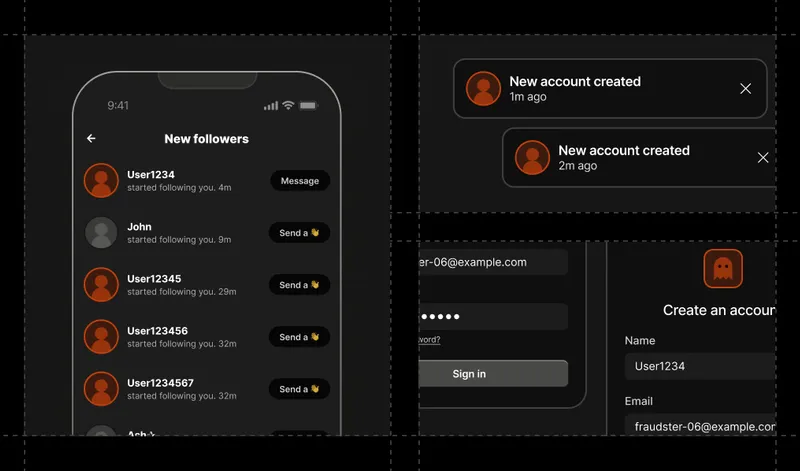
Friend or fraud? How social platforms can stop bot-driven attacks without slowing growth
Protect platform integrity and meet regulatory requirements by moving beyond traditional controls to durable, device-level intelligence.
 Matt Wilkens
Frictionless by design, fragmented by default: The hidden costs of siloed identity in fintech
Explore the structural challenges multi-product fintech platforms face due to fragmented identity. See how device intelligence can unify identity, reduce fraud losses, and streamline compliance without adding friction to the user journey.
 Emma Spellman

How cross-site tracking actually works (and how to protect yourself)
Cookies, fingerprinting, bounce tracking, and more: how the web follows you across sites, and the realistic steps to protect your privacy.
 Keshia Rose

What is eIDAS 2.0? How device intelligence strengthens EUDI Wallet compliance
eIDAS 2.0 is reshaping digital identity in the EU. Learn what it is, how EUDI Wallets work, and how device intelligence can strengthen EUDI Wallet compliance.
Matt Wilkens 
Fraud analytics: 4 most common techniques
Explore key fraud analytics techniques, real-world use cases, and practical implementation tips to protect your business.
 Courtney Rogin
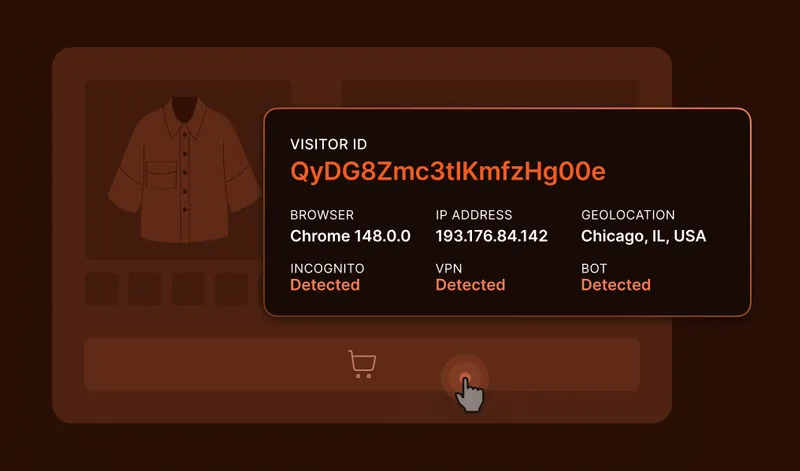
Retail account fraud: Make it stop with device intelligence
Account takeovers, payment fraud, and chargebacks cost retailers billions. Discover how device intelligence closes the gaps legacy fraud controls leave behind.
Matt Wilkens 
What we've been building: AI detection, new Smart Signals, and more
A roundup of recent Fingerprint releases covering AI Agent and AI Assistant Detection, Rare Device Detection, iOS Simulator Detection, Suspect Score AI recommendations, and the new MCP Server.
Keshia Rose 
From agents to assistants: identifying every AI visitor on your site
Spoofed AI assistant traffic is already bypassing most bot defenses. Fingerprint's new AI Assistant Detection verifies ChatGPT, Gemini, and Claude at the edge — before your app code runs.
 Valentin Vasilyev

Synthetic identity fraud: What it is and top prevention strategies
Synthetic identities happen when a fraudster creates a fictitious identity with fake information. Learn how synthetic identity fraud works, and how to prevent it.
 Jennifer Marsh
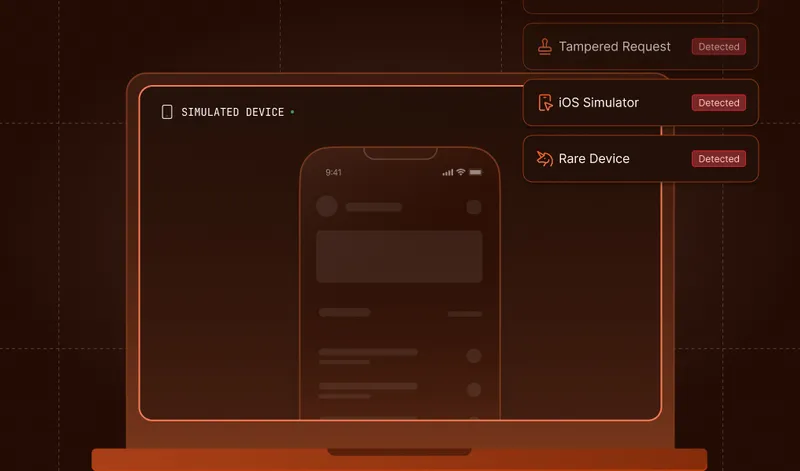
What's new in Smart Signals: Rare Device Detection and iOS Simulator Detection
Two new Smart Signals, Rare Device Detection and iOS Simulator Detection, give you earlier, sharper risk context on non-genuine device environments so you can act with more confidence.
Keshia Rose 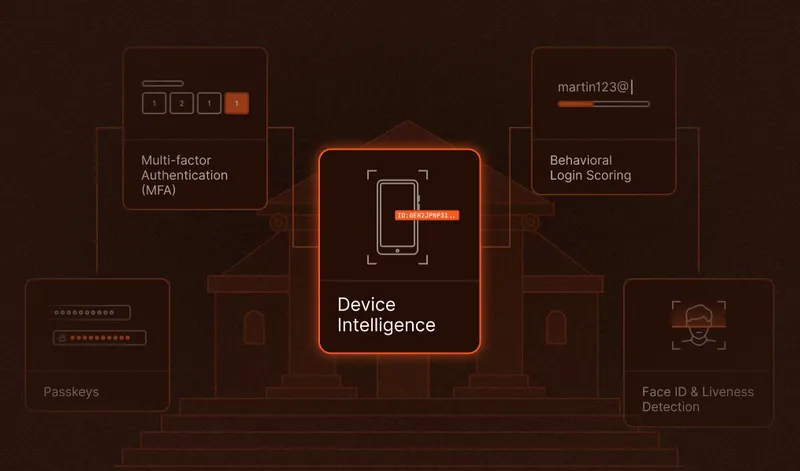
Device intelligence for banking: Strengthening identity and trust
As AI industrializes fraud, authentication controls are no longer sufficient. Read Fingerprint's report on how cross-session device intelligence strengthens fraud prevention across the full customer lifecycle.
Matt Wilkens 
Phishing APK attacks: How they work and how to prevent them
Phishing APKs silently intercept SMS OTPs without the victim ever noticing. Learn how this attack works, why it's surging especially across APAC, and how device intelligence helps fight against it and protect users.
Keshia Rose Subscribe to newsletter
Get updates about company news and new features of Fingerprint.