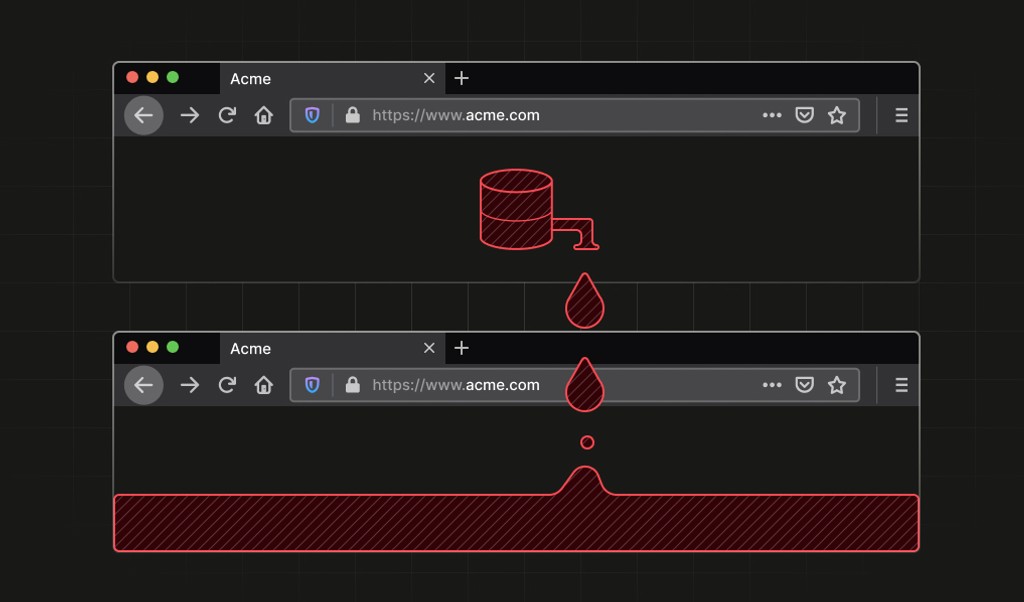
We discovered a privacy vulnerability in Firefox Private Browsing and Tor Browser that allows websites to fingerprint and track users across origins using IndexedDB database ordering, even after closing all private windows.
Follow this complete coding security checklist to protect your apps from vulnerabilities. Learn secure coding standards, authentication tips, and data protection best practices.
Discover JA3 fingerprinting, its uses in device identification, its limitations, and what's needed for robust identification.
Learn how audio fingerprinting, a highly stable browser fingerprinting technique, is used to uniquely identify visitors without cookies.
Learn VPN detection methods including database validation, timezone mismatch, OS mismatch & more. Detecting VPNs better identify users and prevents fraud.
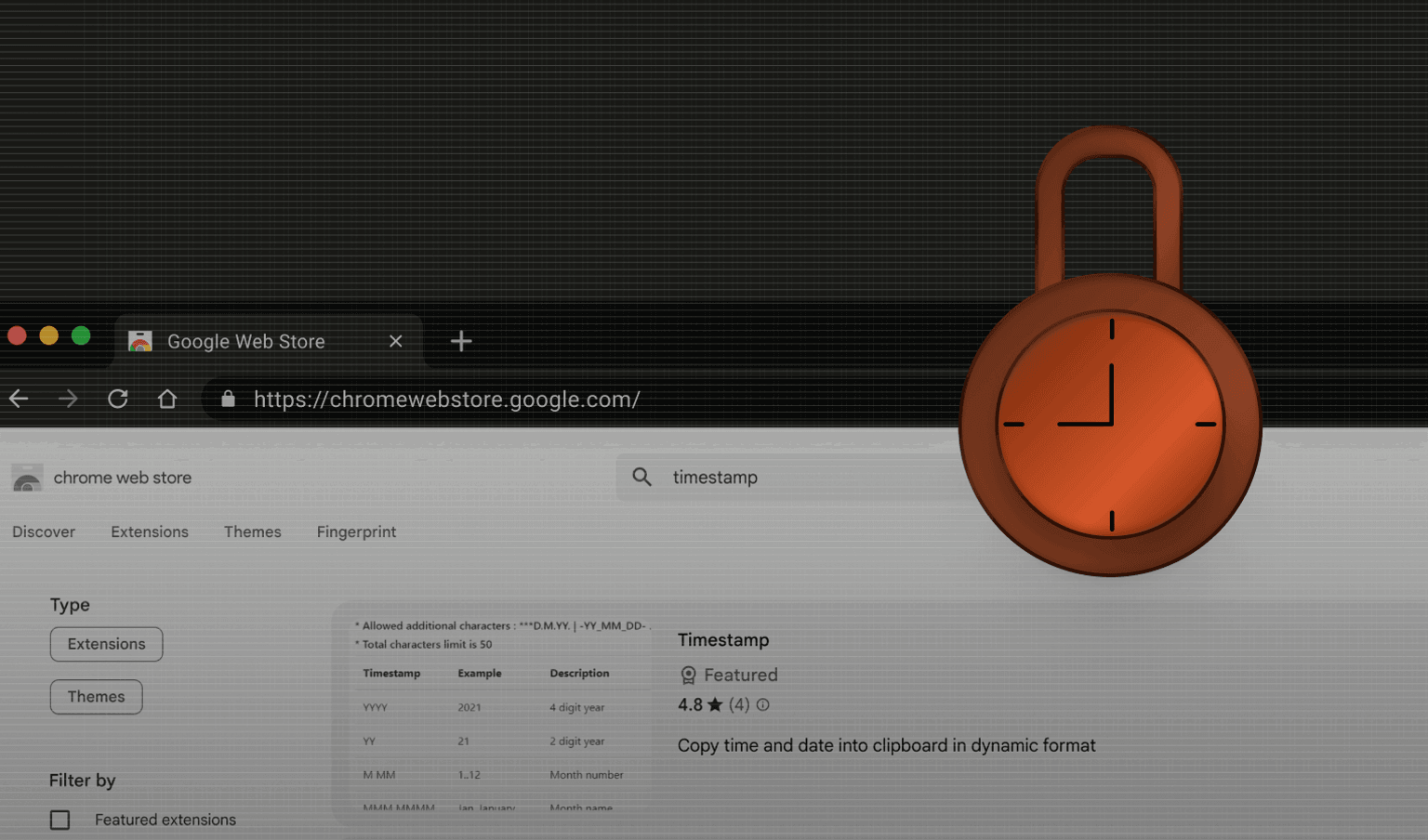
In this demo, learn how Chromium extensions are unintentionally exposing an exploit that can be used to track a user’s activity across multiple websites.
Explore how Safari 17’s new anti-fingerprinting techniques affect audio fingerprinting and browser differentiation.
We explain how Chromium’s Lookalike Warnings and Site Engagement can leak information on frequently visited sites to untrustworthy websites.
Address account sharing impacts with our tutorial on detection techniques and converting users into paying customers.
Your clipboard data on Android 14 might be at risk. See how to protect your information with our guide.
Exploring potential privacy vulnerabilities in Apple devices. This article discusses revealing a user's first name without permissions using the mDNS protocol.
Optimize your software development process for cost efficiency with practical considerations and changes.