Keshia Rose photo

Keshia Rose

Role

Senior Developer Evangelist

Bio

Keshia is a Senior Developer Evangelist at Fingerprint with over 12 years of experience helping people make sense of data and build API-driven products that developers love. She’s passionate about enabling both developers and non-developers to succeed and drive impact. Currently, she focuses on equipping developers with the tools, content, and insights they need to fight fraud. Driven by curiosity, Keshia enjoys learning new skills and finding creative ways to support others through technology. In her free time, she loves going to concerts, traveling, and working on coding side projects.

Keshia Rose Articles

Keshia Rose's Articles

Inside Proximity Detection with Fingerprint's CTO
December 10, 2025

Inside Proximity Detection with Fingerprint's CTO

Fingerprint CTO Valentin Vasilyev explains how Proximity Detection works, why it was built, and how it helps detect coordinated fraud while preserving privacy.

Blog image for proximity detection technical explainer
December 8, 2025

How Proximity Detection turns noisy GPS into real fraud signals

See how Fingerprint’s Proximity Detection turns noisy GPS signals into actionable fraud insights, helping you detect device farms, multi-accounting, and coordinated abuse.

Image for residential proxies dangers blog post
December 2, 2025

How residential proxies help attackers look like real users

Residential proxies let attackers look like real customers. See how they work and how device intelligence can help you detect and stop abuse.

vibe coding platform interface
November 12, 2025

Vibe coding security checklist to prevent breaches

Follow this complete coding security checklist to protect your apps from vulnerabilities. Learn secure coding standards, authentication tips, and data protection best practices.

Image for preventing mobile fraud in embedded browsers
August 21, 2025

How to prevent mobile fraud in embedded browsers

Embedded browsers like webviews and Chrome Custom Tabs make mobile flows fast to launch, but create session and fraud challenges. Learn how Fingerprint’s device intelligence can help you recognize users and maintain secure, seamless experiences.

Image for client side vs. server side fingerprinting
August 8, 2025

Client-side vs. server-side fingerprinting to prevent account takeover

Client-side-only fingerprinting can’t block modern account takeover attacks. Discover how fraudsters exploit infostealers and browser tampering and why server-side device intelligence is critical.

Image for Cloudflare pay-per-crawl blog post
August 5, 2025

Why Cloudflare's Pay-Per-Crawl alone won't stop AI agents

Cloudflare’s pay per crawl is a big step forward for content monetization, but it’s not enough on its own. Learn how pairing it with Fingerprint’s device intelligence closes the gaps and keeps your content protected from advanced bots and scrapers.

two locations pinpointed on a map
July 25, 2025

How to detect location spoofing and prevent fraud

Location spoofing is a growing fraud tactic used to bypass geo restrictions, pricing, and compliance. Learn how to detect fake locations before they cause damage.

device farm charging
July 25, 2025

How to detect click farm fraud in 2025

Click farm fraud drains ad spend and skews engagement data. Learn the latest detection and prevention strategies to keep your campaigns clean.

facade of bank building
July 15, 2025

Bank fraud detection in 2025: The ultimate guide to prevention

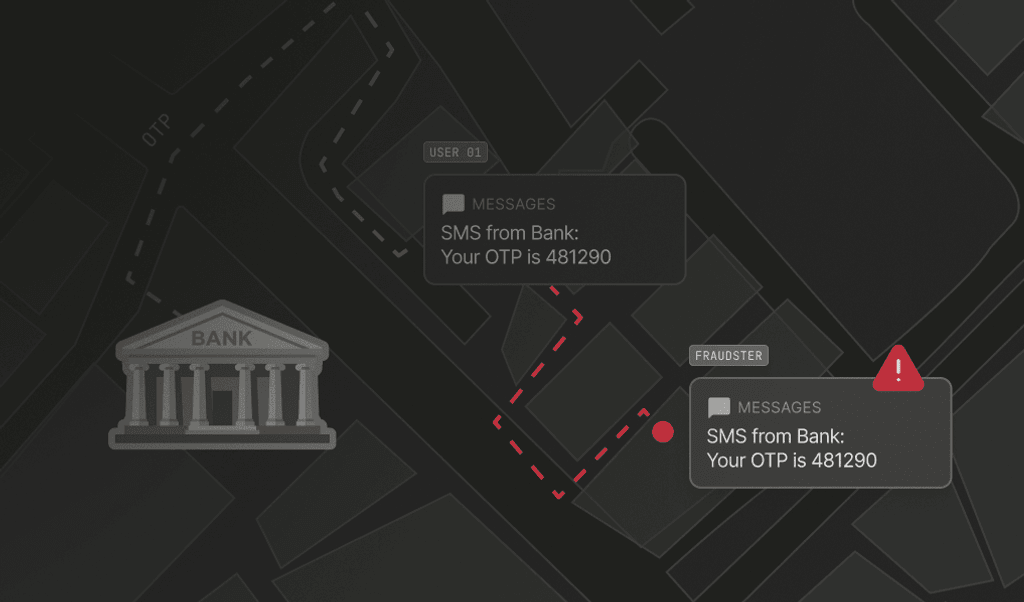
Bank fraud is evolving rapidly. Discover the most common attack types and how device intelligence empowers fraud teams to detect and stop threats in real time.

padlock on an orange background
July 10, 2025

TLS fingerprinting: What it is and how it works

TLS is a cryptographic protocol that encrypts internet traffic for online security. It aids in understanding network activity and preventing fraud.

puzzle pieces that spell out JA3
July 10, 2025

The limits of JA3 fingerprinting: Why it fails at accurate device identification

Discover JA3 fingerprinting, its uses in device identification, its limitations, and what's needed for robust identification.