Bots run a huge share of what happens on the internet. Some do useful work, like indexing pages for search engines or checking whether a site is up. Others are used for malicious purposes, like to break into accounts, scrape content, or flood a service with junk requests. If you’re building and running apps, websites, or APIs in 2026, knowing which is which is critical for strengthening security, ensuring performance, and reducing costs.
This guide explains what a bot is, the main types you'll encounter, and how bots are typically used (for good and for bad).
What is a bot?
A bot is a software program coded to perform specific tasks automatically. Bots crawl and interact with websites much like a person would, but at a speed far beyond human capabilities. A person might submit one login form every few seconds; a bot can attempt thousands per minute.
That speed is exactly why bots are so valuable to legitimate operators and so attractive to fraudsters. The same automation that lets a search engine index millions of pages lets an attacker test millions of stolen passwords.
Bots make up a large portion of everyday internet traffic. In fact, since May of this year, bot traffic has overtaken human web traffic, according to Cloudflare.
Types of bots: How to categorize “good” vs “bad” bots
Not all bots are hostile. The practical way to categorize them is by intent and by how they operate.
Good bots
Good bots do work that site owners generally want or tolerate.
Some examples may include:
- Search engine crawlers: Google, Bing, and Yahoo use crawlers to index content so pages show up in search results.
- Monitoring bots: These check uptime and performance.
- AI assistants: Large language model (LLM) chat applications such as ChatGPT, Gemini, and Claude can answer questions, summarize information, and make requests to websites on a user's behalf.
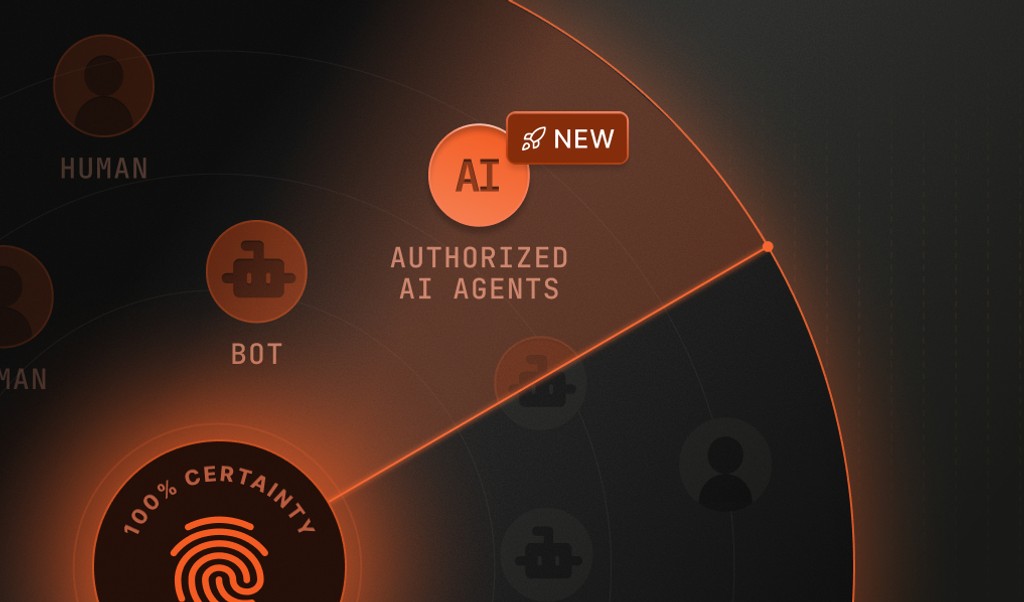
- AI agents: Unlike assistants, AI agents are bots driven by AI models that can do autonomous actions like book flights, fill out forms, and make purchases on behalf of real users.
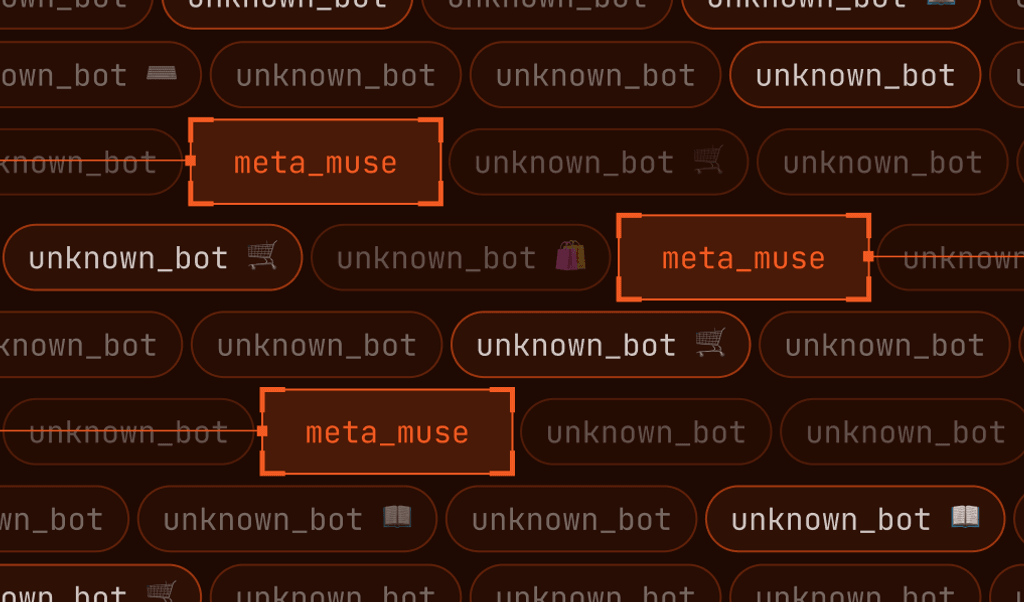
>>Our searchable Bot Directory contains over 100 bots and agents, organized by category, provider, and identity.
>>We also have AI Assistant and AI Agent Detection capabilities that can be a useful way to identify and determine whether automated traffic is legitimate.
Bad bots
Like the name suggests, bad bots are built for malicious or fraudulent activity. They may be used to abuse a site or API, probe security weaknesses, or seek to exploit a loophole. They can take over accounts, submit spam, steal passwords, scrape data, and waste server resources.
Headless browsers, automation frameworks, and anti-detect browsers
What is a headless browser?
A headless browser is a web browser that runs without a visible window or graphical interface. It still loads pages, executes JavaScript, and renders content the same way Chrome or Firefox would; it just does it in the background, controlled entirely through code rather than mouse clicks and keyboard input. Popular examples include headless Chrome/Chromium and headless Firefox.
Because a headless browser behaves like a real browser under the hood, it can do things a simple script can't: Execute client-side JavaScript, handle cookies and sessions, and render single-page applications.
Many bots run on headless browsers because they're fast, scriptable, and cheap to run at scale.
What is an automation framework?
An automation framework is the tooling that drives a browser programmatically and tells it which pages to load, what to click, what to type, and when. Tools like Selenium, Puppeteer, and Playwright are built for this. Developers use these tools to test websites, automate repetitive workflows, or scrape data at scale. These frameworks can control a headless browser, or they can drive a full, visible browser.
What is an anti-detect browser?
An anti-detect browser is a modified browser built to mask or spoof the signals (device attributes, browser fingerprint, configuration) that websites use to recognize a visitor. Each browser profile shows a different, believable identity, so one person or bot can look like many unrelated users.
While people often use them by hand, such as to run many accounts at once, bot operators also connect them to automation frameworks. Together, they make automated traffic harder to tell apart from real users and harder to recognize.
How bots are typically used
The same underlying automation shows up on both sides of the security line.
Legitimate uses:
- Search engines index the internet with crawlers.
- Monitoring and SEO tools check availability, performance, and site health.
- AI assistants retrieve and summarize information from websites for users.
Malicious uses:
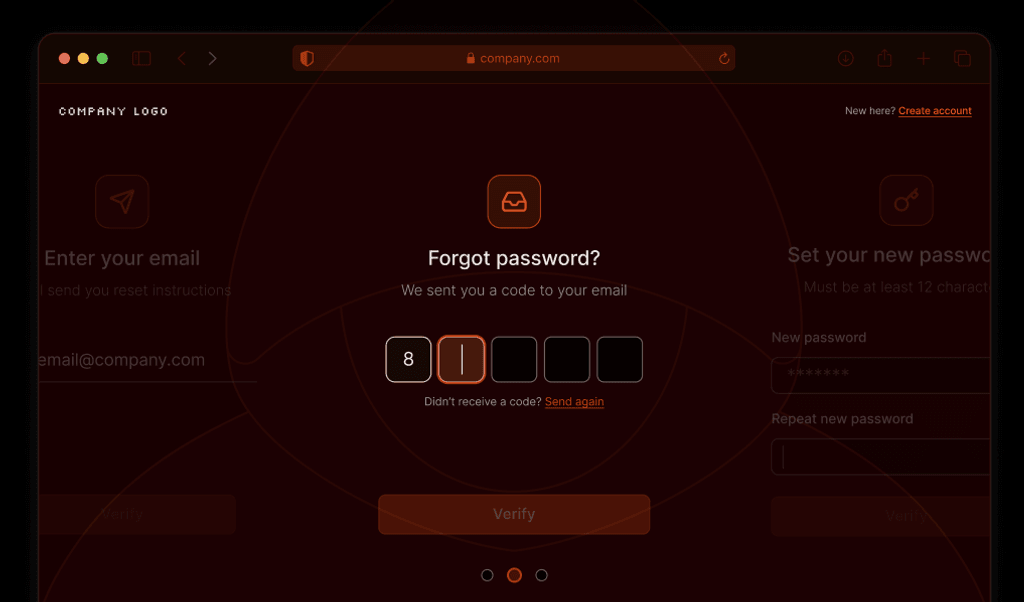
- Credential stuffing: Bots test stolen username and password pairs across login forms at scale.
- Account takeover: Automated tools break into user accounts once valid credentials are found.
- Content scraping: Bots copy pricing, listings, and proprietary content.
- Spam and abuse: Bots submit spam through forms and comment fields.
- Distributed denial-of-service (DDoS) attacks: Fraudsters flood a service with automated requests to knock it offline.
Because bad bots increasingly imitate real users, older defenses fall short. CAPTCHAs, for example, are no longer enough to stop bots on their own.
Bots aren't inherently good or bad
Intent and behavior are what count. Search crawlers and monitoring tools keep the internet running; credential-stuffing and scraping bots drain resources and put user accounts at risk. Telling them apart reliably takes layered detection, and bot detection tools with device and browser signals are central to it.
To start testing detection against your own traffic, create a free account today.
Frequently Asked Questions
What’s the difference between bots and AI agents?
Bots follow predefined rules whereas AI agents are more autonomous and adaptive. Bots can follow common, simple requests. A chatbot that routes customer service inquiries is an example. Agents analyze a request and may do additional research before deciding on an action.
Why are bots more common today?
Bots are becoming more economical to build and deploy. Companies often need to automate repetitive tasks, and bots can help with that.
Why should I be concerned about bots visiting my site?
Bots can affect your user data, your costs, your security, and even your content strategy. Allowing trusted bots to access your site while blocking the bad bots is a critical business practice.